Delve into the world of siding materials as we uncover the key aspects and intricacies of this essential component in construction. From durability to design, this guide offers a holistic view of siding materials, inviting readers to explore the possibilities and considerations that come with each option.
Types of Siding Materials
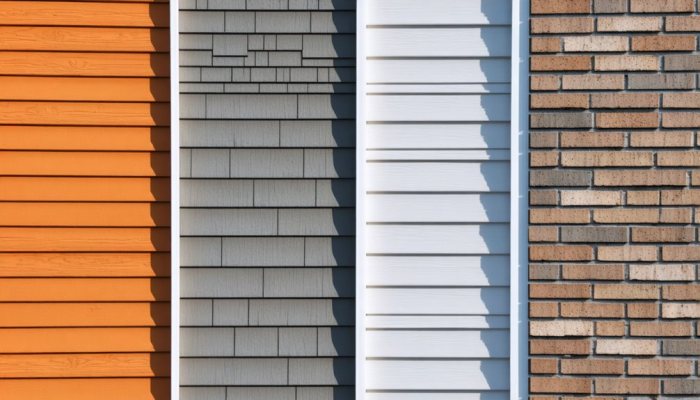
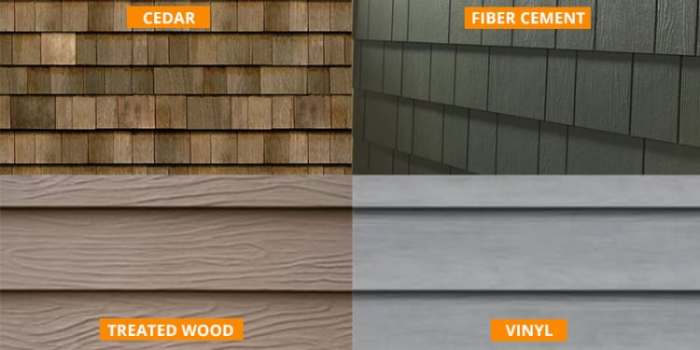
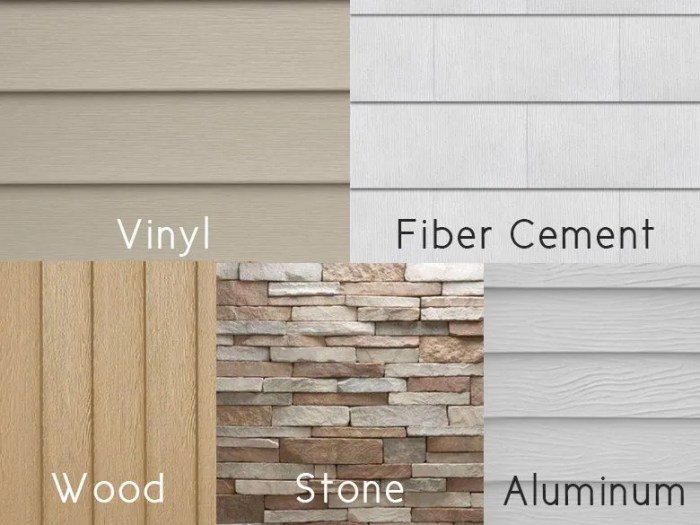
Wood, vinyl, fiber cement, and metal are common siding materials used in construction. Each material has its own set of advantages and disadvantages, including factors like durability, maintenance requirements, and cost.
Wood Siding
Wood siding is a popular choice for its natural look and versatility. It can be painted or stained in various colors, offering a classic aesthetic to homes. However, wood siding requires regular maintenance such as painting, staining, and sealing to protect it from moisture, rot, and pests.
It is also prone to warping, cracking, and fading over time.
Vinyl Siding
Vinyl siding is known for its low maintenance requirements and affordability. It is available in a wide range of colors and styles, making it a versatile option for homeowners. Vinyl siding is durable, resistant to rot and pests, and easy to clean with just soap and water.
However, it may crack or fade over time, especially in extreme weather conditions.
Fiber Cement Siding
Fiber cement siding is a durable and low-maintenance option that mimics the look of wood or stucco. It is resistant to rot, fire, and pests, making it a long-lasting choice for homeowners. Fiber cement siding does require painting every few years to maintain its appearance and protect it from moisture damage.
It is heavier than vinyl or wood siding, requiring professional installation.
Metal Siding
Metal siding, often made of aluminum or steel, is known for its strength and durability. It is resistant to fire, rot, and pests, making it a long-lasting option for homes. Metal siding is easy to maintain, requiring occasional cleaning to remove dirt and debris.
However, metal siding can dent or scratch easily, especially in areas prone to severe weather conditions.
Installation Process
Installing siding materials involves several general steps to ensure a proper and durable finish. The process includes preparing the surface, measuring and cutting the materials, and securing them in place. Let's delve into the details of the installation process.
Tools Required for Installing Different Types of Siding Materials
Different types of siding materials require specific tools for installation. Here are some common tools needed for installing various siding materials:
- Vinyl Siding: To install vinyl siding, you will need a measuring tape, utility knife, snap lock punch, zip tool, and a level.
- Fiber Cement Siding: Installing fiber cement siding requires tools such as a circular saw with a carbide-tipped blade, caulk gun, and a pneumatic nail gun.
- Wood Siding: For wood siding installation, you will need a hammer, nails, saw, caulking gun, and paintbrush for sealing.
- Metal Siding: Tools needed for metal siding installation include tin snips, a drill with screw bits, and a chalk line.
Preparation Needed Before Installing Siding
Before installing siding materials, proper preparation of the surface is crucial for a successful installation. This may include cleaning the surface to remove dirt, debris, and old paint. Additionally, priming the surface can help improve the adhesion of the siding material and enhance its longevity.
Ensuring a smooth and clean surface before installation is essential for the overall look and durability of the siding.
Environmental Impact
Wood, recycled metal, and composite siding materials each have different levels of sustainability and eco-friendliness. Let's explore how these siding options impact the environment.
Wood Siding
Wood siding is a popular choice due to its natural look and feel. However, the sustainability of wood siding depends on the source of the wood. Opting for sustainably sourced wood from certified forests can help reduce the environmental impact.
Wood siding can be recycled or repurposed, contributing to its eco-friendliness.
Recycled Metal Siding
Recycled metal siding is an environmentally friendly option as it reduces the need for new materials and helps divert waste from landfills. Metal siding can be recycled multiple times without losing its quality, making it a sustainable choice
Composite Siding
Composite siding is made from a combination of recycled materials, such as wood fibers and plastic. This makes it a sustainable choice as it reduces the need for virgin materials. Composite siding is durable and long-lasting, reducing the frequency of replacements and further minimizing its environmental impact.
When it comes to recycling, composite siding can be recycled at specialized facilities, ensuring that the materials are reused efficiently.
Maintenance and Care
Proper maintenance and care are essential to ensure the longevity and appearance of your siding. Different siding materials require specific attention and care to keep them in optimal condition.
Vinyl Siding
- Regularly clean the siding with a mild detergent and water to prevent mold and mildew buildup.
- Inspect for any cracks or damage and repair them promptly to prevent water infiltration.
- Avoid using abrasive materials or harsh chemicals that could damage the vinyl surface.
Wood Siding
- Regularly inspect for signs of rot, insect infestation, or water damage.
- Apply a fresh coat of paint or stain every few years to protect the wood from the elements.
- Keep shrubs and trees trimmed to prevent moisture buildup against the siding.
Fiber Cement Siding
- Clean fiber cement siding with a mixture of water and mild detergent to remove dirt and grime.
- Inspect for any cracks or chips in the paint and touch up as needed to prevent moisture penetration.
- Avoid using high-pressure washers as they can damage the siding's surface.
Design and Style
When it comes to siding materials, design and style play a crucial role in enhancing the overall aesthetic appeal of a building. Different materials offer unique visual characteristics that can significantly impact the look and feel of a structure. Let's explore the various design options available with different siding materials and how they can elevate the appearance of a building.
Wood Siding
Wood siding is known for its classic and timeless appeal, adding warmth and natural beauty to any building. It can be stained or painted in a variety of colors to complement different architectural styles. Vertical or horizontal planks, shingles, or shakes can be used to create different patterns and textures, offering versatility in design.
Vinyl Siding
Vinyl siding comes in a wide range of colors and styles, including options that mimic the look of wood, stone, or other materials. It is low-maintenance and durable, making it a popular choice for modern homes. Vinyl siding can enhance the contemporary aesthetic of a building with clean lines and a sleek finish.
Fiber Cement Siding
Fiber cement siding offers the look of wood without the maintenance requirements. It can be molded to resemble various textures, such as wood grain or stucco, providing a modern and sophisticated appearance. This material is highly customizable and can be painted in different colors to suit the design preferences of the homeowner.
Final Summary
As we conclude our journey through the realm of siding materials, it becomes evident that the choices we make impact not only the aesthetics but also the sustainability and maintenance of our living spaces. With this newfound knowledge, may you embark on your next siding project with confidence and creativity.
FAQ Section
What are the most common types of siding materials used in construction?
Common types include wood, vinyl, fiber cement, and metal siding.
How can I enhance the longevity of my siding materials?
Regular cleaning and maintenance, along with addressing any issues promptly, can help prolong the lifespan of siding materials.
Are there eco-friendly options available for siding materials?
Yes, wood, recycled metal, and composite siding materials offer environmentally friendly alternatives.
What design trends are prevalent in modern architecture with regards to siding materials?
Modern architecture often embraces sleek and minimalist designs with a focus on sustainable and visually appealing siding materials.