Step into the realm of modern design where innovation meets creativity, shaping the world around us with sleek lines and bold concepts. From architecture to product design, this fascinating journey delves into the essence of modern design, unraveling its key characteristics and showcasing renowned movements that have left a lasting impact.
As we delve deeper, we uncover the fundamental elements that define modern design, exploring the juxtaposition of clean lines, minimalism, and geometric shapes. We'll also examine the role of materials like glass, steel, and concrete in creating the iconic look of modern design.
Definition of Modern Design
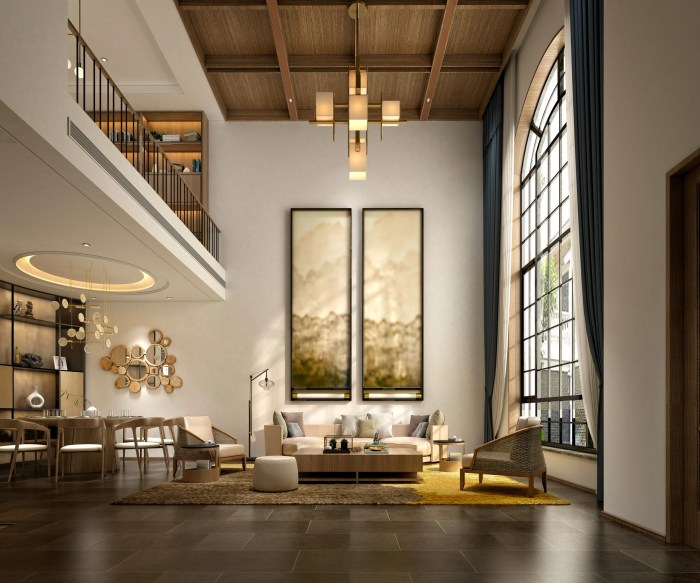
Modern design encompasses various fields such as architecture, interior design, and product design, characterized by sleek lines, minimalism, and functionality. It emerged as a response to the ornate and elaborate styles of the past, focusing on simplicity and clean aesthetics.
Key Characteristics of Modern Design
- Minimalism: Emphasis on simplicity and clean lines, avoiding excessive ornamentation.
- Functionality: Designs are created with a focus on usability and practicality.
- Use of materials: Incorporation of new materials like steel, glass, and concrete for a sleek and industrial look.
- Open floor plans: Spaces are designed to be open and flexible, promoting a sense of airiness and flow.
- Integration of nature: Bringing the outdoors in through large windows and natural materials.
Examples of Famous Modern Design Movements or Designers
- Bauhaus: A German art school that had a major influence on modern design, promoting the fusion of art, craft, and technology.
- Le Corbusier: A Swiss-French architect known for his modernist buildings and furniture designs that embraced simplicity and functionality.
- Eames Lounge Chair: Designed by Charles and Ray Eames, this iconic chair epitomizes modern design with its elegant curves and use of innovative materials.
- Minimalism: A movement that focuses on stripping away unnecessary elements to achieve a pure and minimalist aesthetic, influencing modern design across various disciplines.
Elements of Modern Design
Modern design is characterized by several key elements that set it apart from other styles. These elements include clean lines, minimalism, and geometric shapes.
Clean Lines
Clean lines are a hallmark of modern design, emphasizing simplicity and a sense of order. This element focuses on straight, crisp lines that create a streamlined and uncluttered look.
Minimalism
Minimalism in modern design involves stripping away excess ornamentation and focusing on the essentials. This approach emphasizes functionality and simplicity, often resulting in clean and uncluttered spaces.
Geometric Shapes
Geometric shapes play a significant role in modern design, with an emphasis on shapes such as squares, rectangles, and circles. These shapes add visual interest and create a sense of balance and harmony in modern spaces.
Role of Materials
Materials like glass, steel, and concrete are commonly used in modern design to create a sleek and contemporary aesthetic. Glass allows for transparency and light, steel provides strength and durability, and concrete adds an industrial edge to modern spaces.
Comparison with Other Styles
Modern design is often compared with contemporary and traditional styles. While modern design focuses on clean lines and minimalism, contemporary design incorporates current trends and a mix of styles. Traditional design, on the other hand, is characterized by ornate details and classic elements.
Influences on Modern Design
Modern design has been influenced by a variety of factors throughout history, culture, technology, and environmental sustainability. These influences have shaped the development and evolution of modern design practices, resulting in innovative and forward-thinking approaches to design.
Historical and Cultural Influences
Historical events, artistic movements, and cultural shifts have all played a significant role in shaping modern design. For example, the Industrial Revolution in the 19th century led to the mass production of goods, which influenced the minimalist and functionalist design principles of modernism.
Art movements such as Bauhaus and Art Deco also had a profound impact on modern design, emphasizing simplicity, geometric forms, and the use of new materials.
Technological Advancements
Technological advancements have revolutionized modern design practices, allowing designers to explore new materials, manufacturing processes, and design possibilities. From the introduction of computer-aided design (CAD) software to 3D printing technology, these advancements have enabled designers to push the boundaries of creativity and innovation in their work.
The integration of technology in design has also led to the rise of digital design and interactive experiences in modern design.
Environmental Sustainability
The growing concern for environmental sustainability has greatly influenced modern design choices, leading to the adoption of eco-friendly materials, energy-efficient design solutions, and sustainable manufacturing practices. Designers are now more conscious of the environmental impact of their work and are incorporating sustainable design principles into their projects.
From recycled materials to green building techniques, environmental sustainability has become a central focus in modern design, driving innovation and creativity in the industry.
Applications of Modern Design
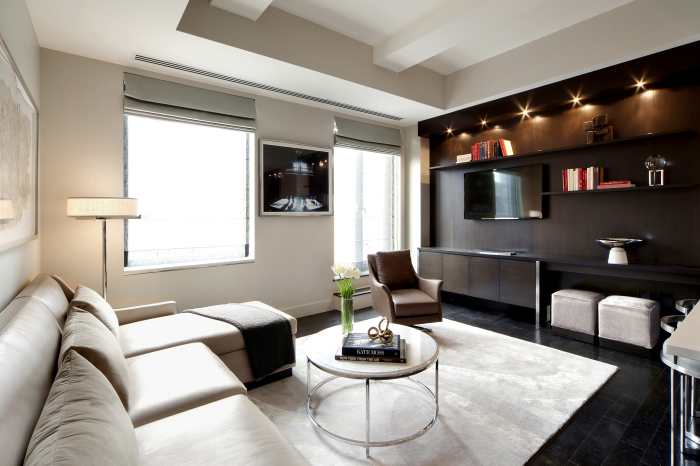
Modern design principles are not limited to just physical spaces and objects; they are also widely used in digital interfaces to enhance user experience. Let's explore some examples of modern design in architecture, interior spaces, furniture, and everyday objects, as well as how these principles are applied in creating user-friendly digital interfaces and the importance of functionality and practicality in modern design solutions.
Modern Design in Architecture
In architecture, modern design is characterized by clean lines, open spaces, and the use of industrial materials such as steel and glass. Examples include the iconic Guggenheim Museum in Bilbao, Spain, designed by Frank Gehry, and the Burj Khalifa in Dubai, the tallest building in the world.
Modern Design in Interior Spaces
Modern interior design focuses on simplicity, functionality, and minimalism. Spaces are often characterized by neutral colors, sleek furniture, and a lack of clutter. Examples include the minimalist interiors of Scandinavian homes and the open floor plans of modern lofts.
Modern Design in Furniture
Modern furniture design emphasizes clean lines, geometric shapes, and the use of innovative materials. Examples include the iconic Eames Lounge Chair and Ottoman by Charles and Ray Eames, as well as the modular shelving systems designed by Dieter Rams for Vitsoe.
Modern Design in Everyday Objects
Even everyday objects such as smartphones, kitchen appliances, and transportation vehicles are influenced by modern design principles. These objects prioritize functionality, simplicity, and user experience, with examples including the iPhone by Apple, the Dyson vacuum cleaner, and the Tesla electric car.
Modern Design in Digital Interfaces
In the digital realm, modern design principles are used to create user-friendly interfaces that prioritize ease of use and accessibility. This includes intuitive navigation, clean layouts, and minimalistic design elements. Examples include the user interfaces of popular apps like Instagram, Airbnb, and Spotify.
Importance of Functionality and Practicality
Functionality and practicality are key aspects of modern design solutions, ensuring that spaces, objects, and interfaces serve their intended purpose effectively. By prioritizing usability and user experience, modern design enhances the way we interact with our environment and the digital world, ultimately improving our quality of life.
Wrap-Up
In conclusion, modern design stands as a testament to human creativity and ingenuity, blending form and function seamlessly to shape our everyday experiences. From architectural marvels to digital interfaces, the principles of modern design continue to influence and inspire. Take a moment to appreciate the beauty and functionality that modern design brings to our lives.
FAQ
What are the key characteristics of modern design?
Modern design is characterized by clean lines, minimalism, and the use of geometric shapes to create sleek and innovative aesthetics.
How have technological advancements influenced modern design?
Technological advancements have revolutionized modern design, allowing for the integration of cutting-edge materials and smart design solutions.
Can you give examples of famous modern design movements or designers?
Some famous modern design movements include Bauhaus and Mid-Century Modern, while designers like Le Corbusier and Charles Eames are renowned for their contributions to modern design.