Step into the world of modern architecture, where innovation meets creativity in a symphony of design. From iconic structures to technological advancements, this topic delves into the evolution and impact of modern architectural movements, offering a fresh perspective on the buildings that shape our world.
As we unravel the key features and global influence of modern architecture, prepare to be inspired by the fusion of functionality, sustainability, and cultural significance embedded in each architectural marvel.
Evolution of Modern Architecture
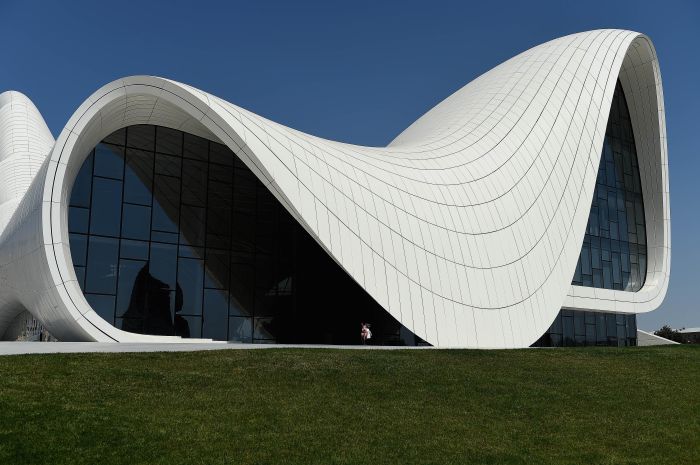
In the late 19th and early 20th centuries, a shift in architectural thinking led to the emergence of modern architecture. This movement was a response to the rapid industrialization and urbanization of society, as architects sought to break away from the ornate styles of the past and embrace simplicity, functionality, and innovation.
Key Architects of Modern Architecture
Several key architects played pivotal roles in shaping the modern architectural movements. One of the most influential figures was Le Corbusier, a Swiss-French architect known for his pioneering work in urban planning and functional design. Another notable architect was Frank Lloyd Wright, an American designer who championed organic architecture that harmonized with its natural surroundings.
Defining Characteristics of Modern Architecture
- Emphasis on functionality and efficiency over ornamentation.
- Use of new materials such as steel, glass, and concrete.
- Clean lines and geometric forms inspired by industrial aesthetics.
- Open floor plans and flexible interior spaces to adapt to changing needs.
- Integration of technology and sustainability principles into design.
Key Features of Modern Architecture
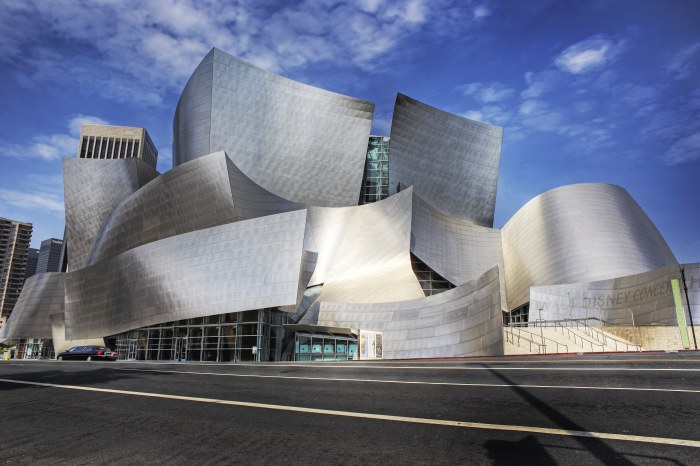
Modern architecture is characterized by several key features that distinguish it from traditional styles. One of the most notable aspects of modern architecture is its emphasis on functionality and minimalism, where form follows function. This design approach prioritizes the usability and purpose of a building over ornamental decoration, resulting in clean lines and simple geometric shapes.
Iconic Modern Architectural Structures
Some iconic examples of modern architectural structures around the world include:
- The Guggenheim Museum in Bilbao, Spain, designed by Frank Gehry
- The Sydney Opera House in Australia, designed by Jørn Utzon
- The Burj Khalifa in Dubai, United Arab Emirates, designed by Adrian Smith
- The Pompidou Centre in Paris, France, designed by Renzo Piano and Richard Rogers
Emphasis on Functionality and Minimalism
In modern architecture, buildings are designed to serve their intended purpose efficiently and effectively. This focus on functionality often results in open floor plans, large windows for natural light, and flexible spaces that can adapt to different needs. Minimalism in modern architecture means eliminating unnecessary elements and decorations, creating a sense of simplicity and clarity in design.
Use of Materials
Modern architectural designs often make use of materials such as glass, steel, and concrete to achieve a sleek and contemporary aesthetic. Glass allows for transparency and connection to the surrounding environment, while steel provides strength and flexibility in construction. Concrete is used for its durability and versatility, allowing for innovative shapes and forms to be realized in modern buildings.
Influence of Technology on Modern Architecture
Technology has played a crucial role in shaping modern architectural practices, leading to innovative designs and sustainable solutions. The integration of advanced technological tools has revolutionized the way architects approach design and construction, allowing for more efficient, eco-friendly, and visually striking structures.
Advancements in Technology and Modern Architecture
The advancements in technology, such as Building Information Modeling (BIM) and parametric design software, have enabled architects to create complex and dynamic structures with precision and efficiency. These tools allow for the visualization of designs in 3D, facilitating better communication between architects, engineers, and clients.
Additionally, the use of virtual reality and augmented reality technologies has transformed the way architects present their designs and engage stakeholders in the design process.
Integration of Sustainable and Eco-Friendly Elements
Modern architecture places a strong emphasis on sustainability and eco-friendliness, driven by the need to address environmental concerns. Architects are increasingly incorporating green building practices, such as passive solar design, green roofs, and energy-efficient materials, into their projects. The integration of sustainable elements not only reduces the environmental impact of buildings but also enhances their performance and occupant comfort.
Role of Computer-Aided Design (CAD) Software
Computer-Aided Design (CAD) software has become an indispensable tool in modern architectural projects, allowing architects to create detailed drawings, renderings, and simulations with ease. CAD software enables architects to explore different design options, analyze structural integrity, and optimize building performance.
The use of CAD software has significantly streamlined the design process, leading to faster project delivery and better coordination among project stakeholders.
Global Impact of Modern Architecture
Modern architecture has left a lasting impact on a global scale, influencing the way cities are designed and shaping the cultural landscapes of different regions. Let's explore how modern architectural styles have evolved across various cultures and how they have transformed urban planning and cityscapes.
Regional Contrasts in Modern Architectural Styles
While modern architecture shares common principles such as simplicity, functionality, and the use of new materials, each region has adapted these concepts in unique ways. For example, the sleek and minimalist designs of Scandinavian modernism contrast with the bold and expressive forms found in Brutalist architecture in the United States.
The fusion of traditional influences with modern techniques can be seen in the works of architects like Tadao Ando in Japan and Zaha Hadid in the Middle East, showcasing a rich tapestry of styles across the globe.
Influence on Urban Planning and City Landscapes
Modern architecture has played a pivotal role in shaping the way cities are planned and developed. The emphasis on open spaces, sustainable design, and mixed-use developments has led to the creation of vibrant urban environments that prioritize both functionality and aesthetics.
Iconic modern buildings like the Guggenheim Museum in Bilbao and the Sydney Opera House have become symbols of their respective cities, attracting tourists and shaping the identities of these urban centers.
Significance of Iconic Modern Buildings
Iconic modern buildings serve as cultural landmarks that reflect the aspirations and values of a society. They not only showcase architectural innovation but also become symbols of progress and cultural identity. Structures like the Burj Khalifa in Dubai and the Pompidou Centre in Paris have become iconic symbols of modernity, attracting visitors from around the world and contributing to the global recognition of these cities as hubs of creativity and innovation.
Ultimate Conclusion
In conclusion, modern architecture stands as a testament to human ingenuity and vision, shaping our cities and landscapes with timeless beauty and purpose. As we continue to witness the evolution of architectural trends, let us embrace the transformative power of modern design in creating a better, more sustainable future.
Questions and Answers
What are some iconic examples of modern architecture?
Some iconic examples include the Guggenheim Museum in Bilbao, the Sydney Opera House, and the Fallingwater house by Frank Lloyd Wright.
How has technology influenced modern architecture?
Technology has enabled architects to experiment with new materials, create innovative designs, and implement sustainable practices in their projects.
What sets modern architecture apart from traditional styles?
Modern architecture emphasizes functionality, minimalism, and the use of materials like glass, steel, and concrete, in contrast to the intricate ornamentation of traditional styles.