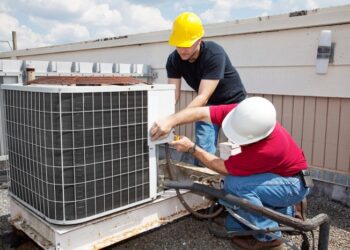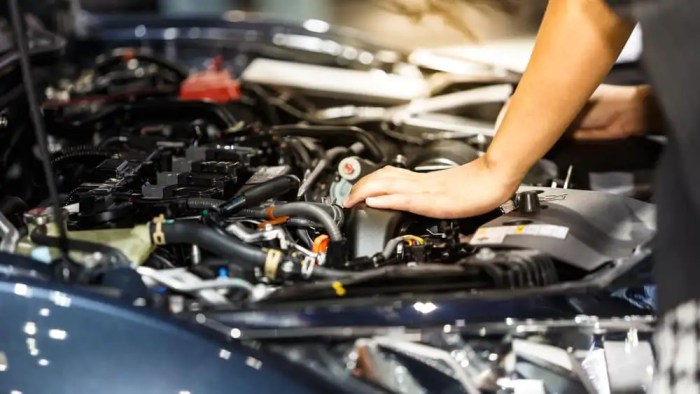
Embark on a journey of self-sufficiency and cost-effectiveness with DIY maintenance. Discover how simple tasks can lead to significant savings and a sense of achievement.
Learn about the benefits, common tasks, essential tools, and tips for successful DIY maintenance in this comprehensive guide.
Benefits of DIY Maintenance
Performing DIY maintenance comes with a variety of benefits that can help homeowners save money, feel accomplished, and keep their homes in tip-top shape.
Cost Savings
- DIY maintenance can save money in the long run by avoiding costly professional services for simple tasks.
- By handling maintenance yourself, you eliminate labor costs and markup on supplies from hiring outside help.
- Investing time and effort in DIY maintenance can prevent major issues that would require expensive repairs if left unchecked.
Sense of Accomplishment
- Completing DIY maintenance tasks can bring a sense of satisfaction and pride in a job well done.
- Being able to take care of your own home repairs can boost confidence and self-reliance.
- Seeing the results of your hard work can be incredibly rewarding and motivating for future projects.
Common DIY Maintenance Tasks
Regular maintenance of your home is essential to prevent costly repairs and ensure the longevity of your appliances and systems. By performing basic DIY maintenance tasks, homeowners can save money and extend the lifespan of their household items.
Replacing Air Filters
Regularly replacing air filters in your HVAC system can improve air quality, reduce energy consumption, and prolong the life of your system. It is recommended to change filters every 1-3 months, depending on usage.
Cleaning Gutters
Cleaning gutters at least twice a year prevents water damage to your home's foundation and roof. Clogged gutters can lead to leaks, mold growth, and structural issues if not addressed promptly.
Sealing Windows and Doors
Inspecting and sealing gaps around windows and doors can improve energy efficiency and reduce heating and cooling costs. Weather-stripping and caulking are simple solutions to prevent air leaks.
Flushing Water Heater
Flushing your water heater annually removes sediment buildup, improves efficiency, and extends the life of the appliance. Follow manufacturer instructions for proper maintenance.
Cleaning Refrigerator Coils
Dust and debris can accumulate on refrigerator coils, causing the appliance to work harder and consume more energy. Regular cleaning can improve efficiency and prevent breakdowns.
Testing Smoke Detectors
Testing smoke detectors monthly and replacing batteries at least once a year ensures they are functioning properly. Smoke detectors are crucial for early fire detection and safety in your home.
Unclogging Drains
Prevent clogged drains by using a drain snake or natural solutions like baking soda and vinegar. Regular maintenance can prevent backups and costly plumbing repairs.
Inspecting Roof
Regularly inspecting your roof for damaged shingles, leaks, or debris can prevent water damage and prolong the life of your roof. Addressing issues promptly can avoid costly repairs in the future.
Essential Tools for DIY Maintenance
When it comes to DIY maintenance, having the right tools is essential for getting the job done efficiently and effectively. Investing in quality tools can make a significant difference in the outcome of your maintenance tasks. Additionally, ensuring you have the proper safety gear is crucial to protect yourself while working on various projects.
Must-Have Tools for DIY Maintenance
- Screwdriver set: Whether it's a flathead or Phillips screwdriver, having a variety of sizes will help you tackle a wide range of tasks.
- Adjustable wrench: This versatile tool is handy for tightening or loosening nuts and bolts of different sizes.
- Tape measure: A tape measure is essential for accurately measuring dimensions and ensuring precision in your projects.
- Hammer: From driving nails to minor demolition work, a hammer is a versatile tool that every DIY enthusiast should have.
- Pliers: Having a set of pliers, such as needle-nose and side-cutting pliers, can help you grip, cut, and bend materials with ease.
The Importance of Safety Gear
When engaging in DIY maintenance tasks, it's crucial to prioritize safety by wearing the appropriate gear. Safety glasses, gloves, and ear protection are essential items to protect yourself from potential hazards. Additionally, wearing a dust mask can prevent inhalation of harmful particles during sanding or painting projects.
Investing in Quality Tools
While it may be tempting to opt for cheaper tools, investing in quality tools can ultimately save you time and frustration in the long run. High-quality tools are more durable, provide better performance, and can enhance the overall efficiency of your DIY maintenance projects.
Remember, a good tool is an investment that can make your tasks easier and more enjoyable.
Tips for Successful DIY Maintenance
When it comes to DIY maintenance, being organized and following proper procedures is key to success. Here are some tips to help you effectively maintain your equipment and appliances at home:
Organizing a DIY Maintenance Schedule
Creating a regular maintenance schedule is crucial to ensure that all necessary tasks are completed on time. Consider using a calendar or a digital reminder to keep track of maintenance needs for different items in your home.
Troubleshooting Tips for Common Maintenance Issues
When facing common maintenance issues, it's important to troubleshoot effectively before attempting any repairs. Start by identifying the root cause of the problem and refer to user manuals or online resources for guidance. Additionally, don't hesitate to seek help from professionals if needed.
Significance of Following Manufacturer’s Guidelines
Manufacturers provide specific instructions for maintenance and care of their products for a reason. By following these guidelines, you can ensure that your equipment operates efficiently and safely. Neglecting manufacturer's recommendations can lead to voided warranties or even accidents.
Outcome Summary
In conclusion, DIY maintenance empowers homeowners to take control of their living spaces while enhancing the longevity of their appliances. Start your DIY journey today and reap the rewards of a well-maintained home.
FAQ Guide
How often should I perform DIY maintenance tasks?
It is recommended to perform basic DIY maintenance tasks every 3-6 months to ensure optimal functioning of your appliances and systems.
Do I need specialized tools for DIY maintenance?
While some tasks may require specific tools, many basic DIY maintenance tasks can be accomplished with a simple toolkit available at hardware stores.
Can DIY maintenance really save me money in the long run?
Absolutely! By regularly maintaining your household items, you can prevent costly repairs and extend their lifespan, ultimately saving you money in the long term.