As exterior siding takes center stage, this opening passage beckons readers into a world where homes are transformed with the right materials. From classic wood to modern vinyl, the choices are endless. Dive in to discover the key to enhancing your home's exterior appeal.
In the following paragraphs, we will explore different types of siding, installation processes, sustainable options, and maintenance tips to help you make informed decisions for your home.
Types of Exterior Siding
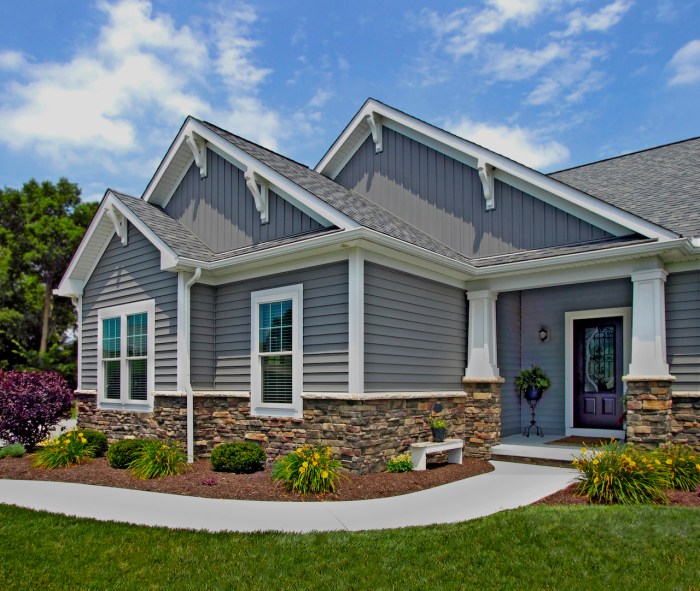
When it comes to choosing exterior siding for your home, there are several options available. Each type of siding material has its own advantages and disadvantages, so it's important to consider your specific needs and preferences before making a decision.Vinyl Siding: Vinyl siding is a popular choice for many homeowners due to its affordability and low maintenance requirements.
It is available in a wide range of colors and styles, making it easy to find a look that complements your home. However, vinyl siding can crack or fade over time, and it may not be as durable as other types of siding.Fiber Cement Siding:Fiber cement siding is known for its durability and resistance to rot, fire, and pests.
It is a low-maintenance option that can mimic the look of wood or stucco. While fiber cement siding is more expensive than vinyl, it tends to last longer and requires less frequent painting or repairs.Wood Siding:Wood siding has a natural, timeless look that appeals to many homeowners.
It can be painted or stained in a variety of colors, and it is relatively easy to repair or replace individual boards if needed. However, wood siding requires more maintenance than vinyl or fiber cement siding, as it is susceptible to rot, pests, and moisture damage.Durability Comparison:In terms of durability, wood siding is generally less durable than vinyl siding.
While wood siding can last for decades with proper maintenance, it is more prone to damage from moisture, pests, and rot. Vinyl siding, on the other hand, is designed to withstand the elements and requires minimal upkeep to maintain its appearance.Maintenance Requirements:Vinyl siding is the lowest maintenance option of the three, requiring occasional cleaning with a gentle detergent and water.
Fiber cement siding may need to be repainted every 10-15 years, while wood siding should be repainted or stained every 3-7 years to protect it from the elements.Consider these factors when choosing the right exterior siding for your home to ensure a durable and visually appealing option that fits your budget and maintenance preferences.
Installation Process
Installing exterior siding involves several key steps to ensure a seamless and professional-looking finish. Proper insulation is crucial during the installation process to protect your home from the elements and ensure energy efficiency. Here are some tips and guidelines to help you with your siding installation project:
General Steps for Installing Exterior Siding
- Prepare the surface: Ensure the exterior surface is clean, smooth, and free of any debris or moisture.
- Measure and cut siding: Accurately measure and cut siding panels to fit the dimensions of your home.
- Install flashing: Properly install flashing around windows, doors, and corners to prevent water infiltration.
- Attach siding panels: Secure siding panels to the exterior surface using appropriate nails or fasteners.
- Finish the edges: Use trim pieces to finish the edges and corners of the siding for a polished look.
Importance of Proper Insulation
Proper insulation not only helps regulate the temperature inside your home but also acts as a barrier against moisture and air infiltration. This can prevent issues such as mold growth, energy loss, and structural damage over time. Make sure to install a moisture barrier and insulation material before adding the siding to ensure maximum protection and efficiency.
Tips for a Professional-Looking Installation
- Use a level: Ensure that each siding panel is installed straight and level for a polished appearance.
- Overlap correctly: Follow the manufacturer's guidelines for overlapping siding panels to prevent gaps and ensure a watertight seal.
- Seal joints: Apply caulk or sealant to joints and seams to prevent water infiltration and improve insulation.
- Work in sections: Divide your siding installation into manageable sections to maintain consistency and quality throughout the project.
Tools and Equipment Needed for DIY Installation
- Siding panels
- Nails or fasteners
- Flashing material
- Insulation material
- Moisture barrier
- Caulk or sealant
- Siding cutter or saw
- Level
- Tape measure
- Hammer or nail gun
Sustainable Siding Options

When it comes to choosing siding for your home, considering sustainable options can benefit both the environment and your household. Eco-friendly siding materials are becoming increasingly popular in the market, offering a range of benefits beyond their aesthetic appeal.
Eco-Friendly Siding Materials
There are several sustainable siding options available in the market today, including:
- Bamboo: Known for its rapid growth and renewability, bamboo siding is a popular choice for eco-conscious homeowners.
- Recycled Wood: Using reclaimed or recycled wood for siding not only reduces waste but also adds a unique character to your home.
- Fiber Cement: Made from a mixture of cement, sand, and cellulose fibers, fiber cement siding is durable and environmentally friendly.
Environmental Impact
Opting for sustainable siding materials can significantly reduce the environmental impact of your home. These materials often require fewer resources to produce, emit lower levels of greenhouse gases, and can be recycled at the end of their lifespan.
Recycled or Upcycled Materials
Some sustainable siding options incorporate recycled or upcycled materials, such as:
- Recycled Plastic: Siding made from recycled plastic bottles or other plastics helps divert waste from landfills and reduces the need for virgin materials.
- Reclaimed Metal: Utilizing reclaimed metal for siding adds an industrial-chic look to your home while reducing the demand for new metal production.
Energy-Efficient Properties
Certain siding materials offer energy-efficient properties that can help lower your household's energy consumption. For example, insulated vinyl siding can improve your home's thermal performance, reducing heating and cooling costs throughout the year.
Maintenance and Care
Regular maintenance is essential for keeping your exterior siding in top condition and ensuring its longevity. By following a maintenance schedule and addressing common issues promptly, you can preserve the appearance and functionality of your siding for years to come.
Common Issues and Solutions
- Moisture Damage: Inspect for any signs of water damage, such as rot or mold, and repair any leaks or cracks immediately. Consider applying a water-resistant sealant to protect against moisture infiltration.
- Cracks and Chips: Fill in any cracks or chips in the siding to prevent further damage and maintain the structural integrity of the material. Regularly inspect for any signs of wear and tear.
- Fading or Discoloration: Consider applying a fresh coat of paint or stain to revitalize the appearance of your siding and protect it from UV rays. Follow the manufacturer's recommendations for painting or staining.
Cleaning and Inspections
- Regular Cleaning: Clean your siding periodically with a mild detergent and water to remove dirt, debris, and mildew. Avoid using harsh chemicals or abrasive cleaners that could damage the surface.
- Inspections: Inspect your siding at least once a year for any signs of damage or wear. Look for loose panels, missing pieces, or any other issues that may need attention.
Tips for Extending Lifespan
- Vinyl Siding: Wash with a mixture of water and mild detergent, rinse thoroughly, and avoid using abrasive tools that could scratch the surface.
- Fiber Cement Siding: Keep the surface clean and free of debris, inspect for any signs of moisture damage, and repaint as needed to maintain its protective coating.
- Wood Siding: Seal and stain regularly to protect against moisture and UV damage, inspect for rot or insect infestations, and repair or replace damaged sections promptly.
Conclusion
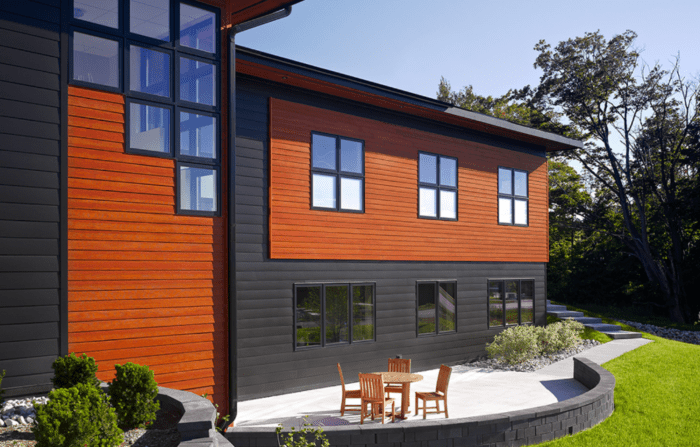
In conclusion, the world of exterior siding offers a myriad of possibilities to elevate your home's aesthetic and functionality. With the right knowledge and care, your siding can stand the test of time and weather beautifully. Make your home the envy of the neighborhood with the perfect exterior siding choice.
General Inquiries
What are the most common types of exterior siding materials?
Common types include vinyl, wood, and fiber cement siding.
How do I maintain exterior siding?
Maintain siding by cleaning regularly, inspecting for damage, and addressing issues promptly.
Are there eco-friendly siding options available?
Yes, there are sustainable siding materials like recycled wood or fiber cement available in the market.
What tools are needed for a DIY siding installation project?
Tools needed may include a hammer, nails, level, saw, and safety gear.